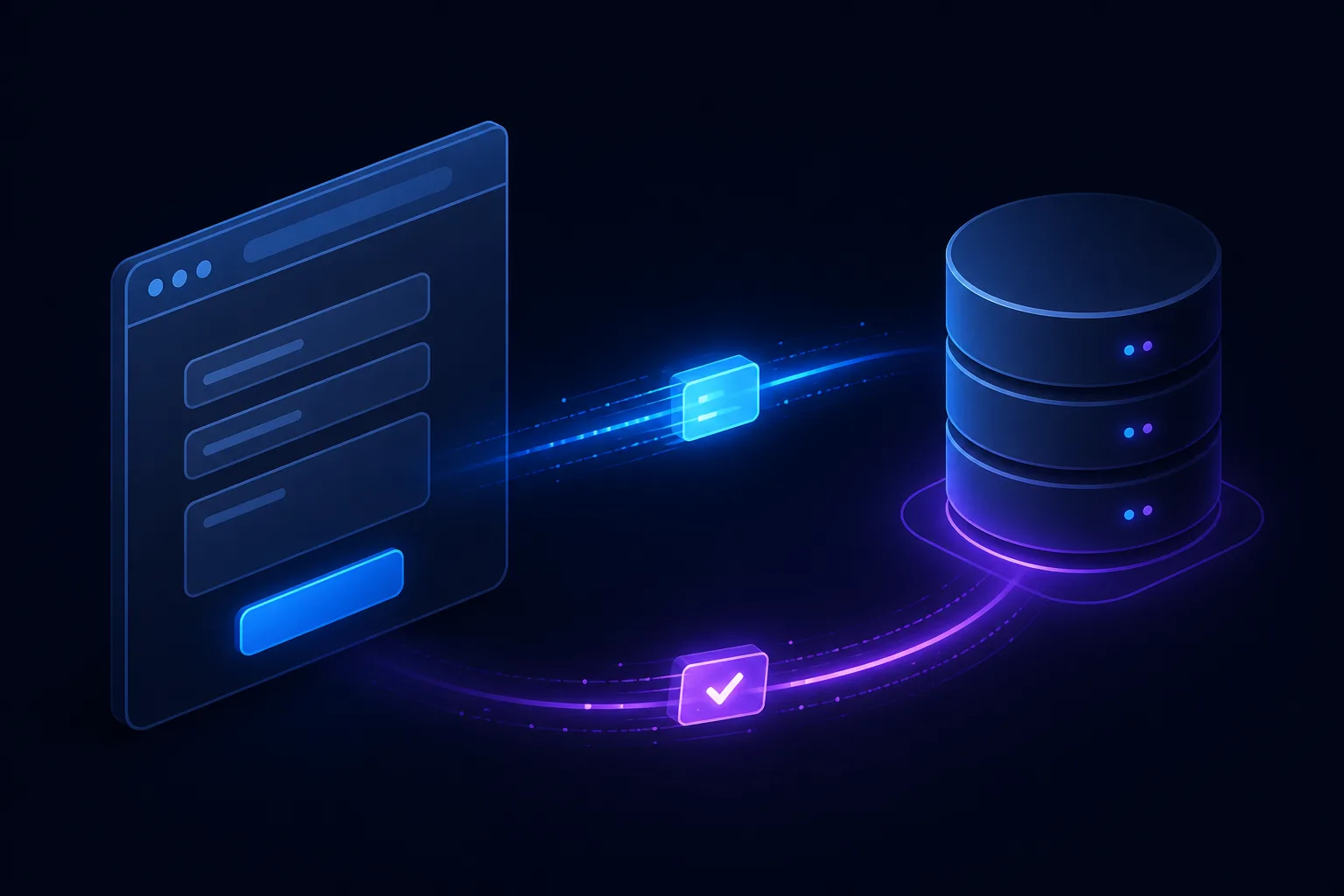
React Server Actions let you run server-side functions directly from components and forms - no hand-rolled API route for every mutation.
In the Next.js App Router they pair with Server Components: read on the server, mutate through actions, revalidate what changed. Used well, you get progressive enhancement and less client boilerplate. Used poorly, you get opaque errors, over-broad revalidation, and security holes.
What Server Actions Are (and Are Not)
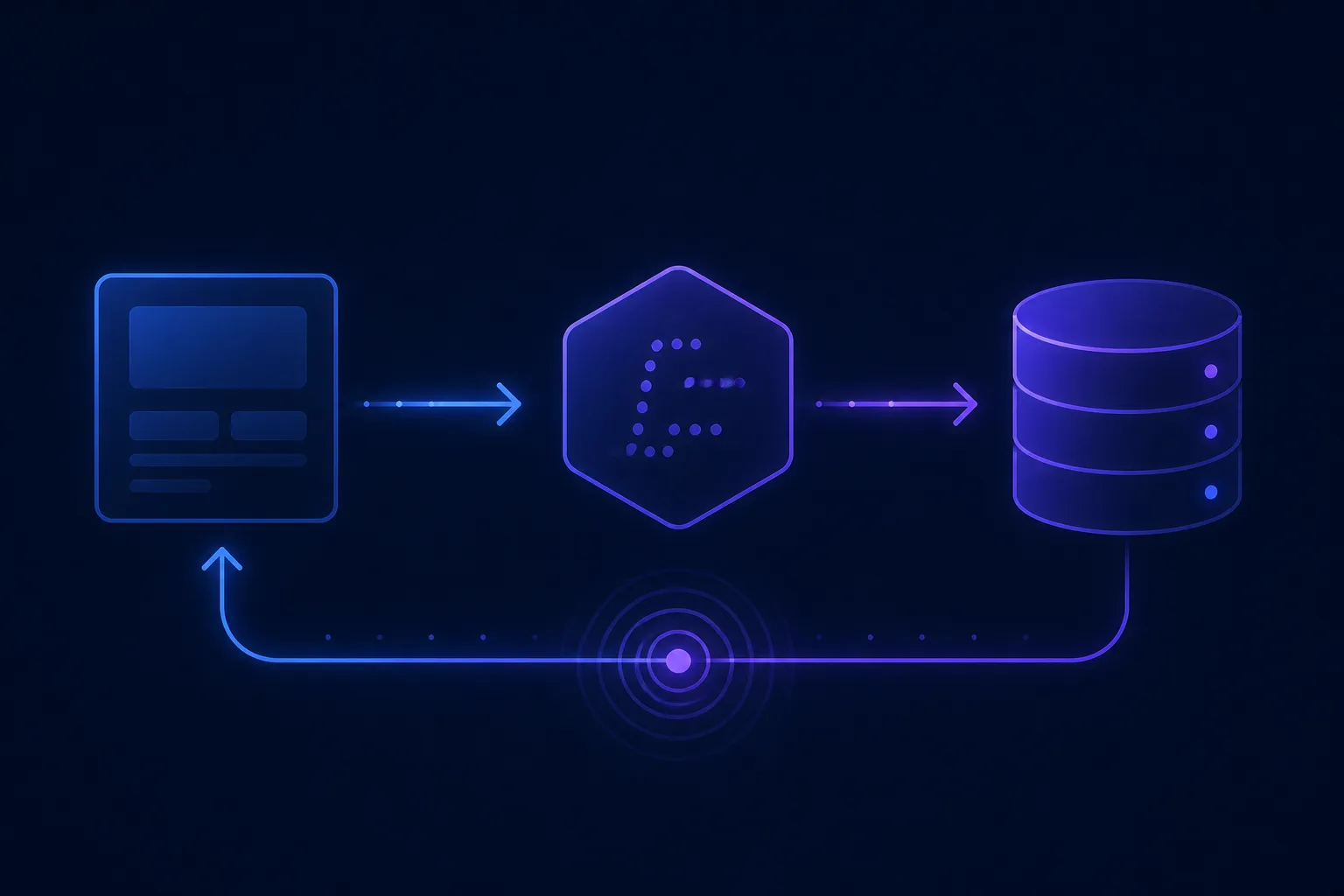
A Server Action is an async function marked to run on the server (e.g. "use server"). You can:
- Pass it to
<form action={fn}> - Call it from Client Components
- Return data / use
redirect/ trigger cache updates
They are not:
- A replacement for all REST/GraphQL public APIs
- Automatically authorized (you still check the session)
- Free of serialization rules (arguments must be serializable)
Think of them as typed, framework-managed RPC for your UI mutations.
Forms First: Progressive Enhancement
The sweet spot is forms:
async function createTicket(formData: FormData) {
 'use server';
 // validate, authorize, mutate, revalidate
}

export default function Page() {
 return (
 <form action={createTicket}>
 <input name="title" required />
 <button type="submit">Create</button>
 </form>
 );
}
Without JavaScript, the form still posts. With JavaScript, you can add pending UI (useFormStatus) and optimistic updates where they help - without inventing a separate POST handler for the same logic.
Validation and Errors
Validate on the server every time. Client checks are UX; server checks are truth.
Patterns that hold up:
- Parse
FormDatawith a schema library (Zod, Valibot, etc.) - Return field errors to the form (
useActionState/ form state) instead of throwing opaque 500s for expected cases - Keep user-facing messages boring and safe - no stack traces
Auth, CSRF, and Trust Boundaries

- Authenticate inside the action (session/cookie/JWT verification)
- Authorize the specific resource (object-level checks)
- Treat action inputs like any other HTTP input: untrusted
- Do not expose secrets in Client Components that call actions
Next.js documents CSRF protections for Server Actions in supported setups - still design assuming hostile clients. Pair with solid JWT/session thinking for API-style surfaces.
Caching and Revalidation
After a mutation:
revalidatePath/revalidateTagfor the data you changed- Prefer targeted tags over "revalidate the world"
- Remember Client Component local state is not the HTTP cache
If reads live in Server Components, actions + revalidation keep the mental model simple: mutate, then refresh the server tree that matters.
When to Prefer a Route Handler Instead
Use a Route Handler / external API when:
- Non-browser clients need the same mutation
- You expose a public webhook or partner integration
- Streaming or special auth (mTLS, signed webhooks) does not fit the action model
Many apps use both: actions for first-party UI, handlers for integrations.
Common Pitfalls
- Forgetting auth checks because "it's server code"
- Passing non-serializable args (class instances, functions)
- Huge actions that mix five domains - split by use case
- Revalidating entire layouts on every keystroke-sized update
- Using actions for high-churn polling (prefer lighter read paths)
FAQ: React Server Actions
Server Actions vs API routes? Actions optimize first-party UI mutations with less glue. API routes remain better for public/programmatic clients.
Do I still need Client Components? Yes - for interactivity, optimistic UI, and browser-only APIs. Keep them thin; keep mutations on the server.
Are Server Actions production-ready in Next.js? Yes for many App Router apps when you treat them like any other server endpoint: validate, authorize, observe, and revalidate deliberately.
The Bottom Line
React Server Actions simplify forms and mutations in Next.js when you keep a hard server trust boundary, validate inputs, and revalidate narrowly. They complement Server Components - they do not replace API design for every consumer.
Building a Next.js product with clean server mutations? See Myrafy software development services or contact us.